

By using our website, you agree to the use of cookies as described in our Cookie Policy
Why Copper River & Prince William Sound Salmon Are So Naturally Vibrant?
Why Copper River & Prince William Sound Salmon Are Naturally Vibrant
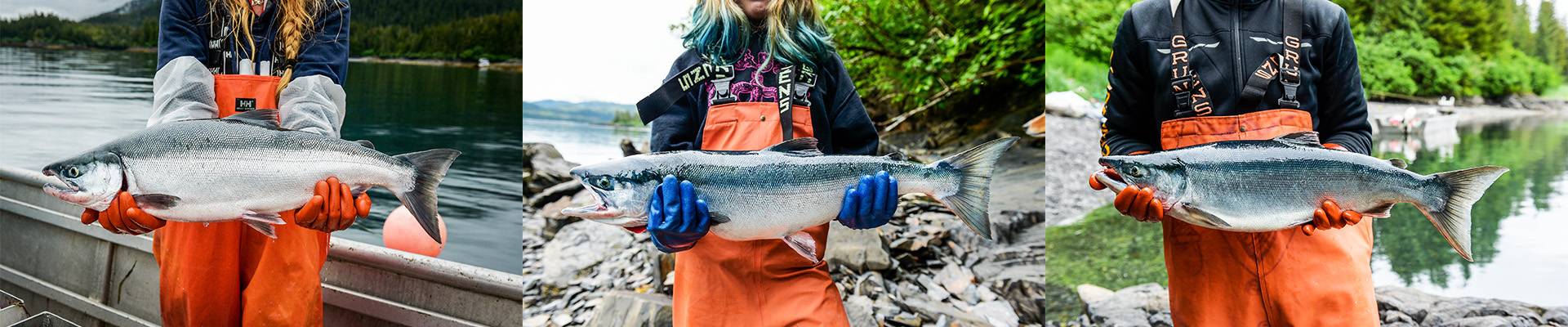
One of the most common questions we hear is: Why is Copper River and Prince William Sound (CR/PWS) salmon so deeply colored? The answer lies in where these fish come from, what they eat, and the demanding journeys they make before reaching Alaska’s rivers.
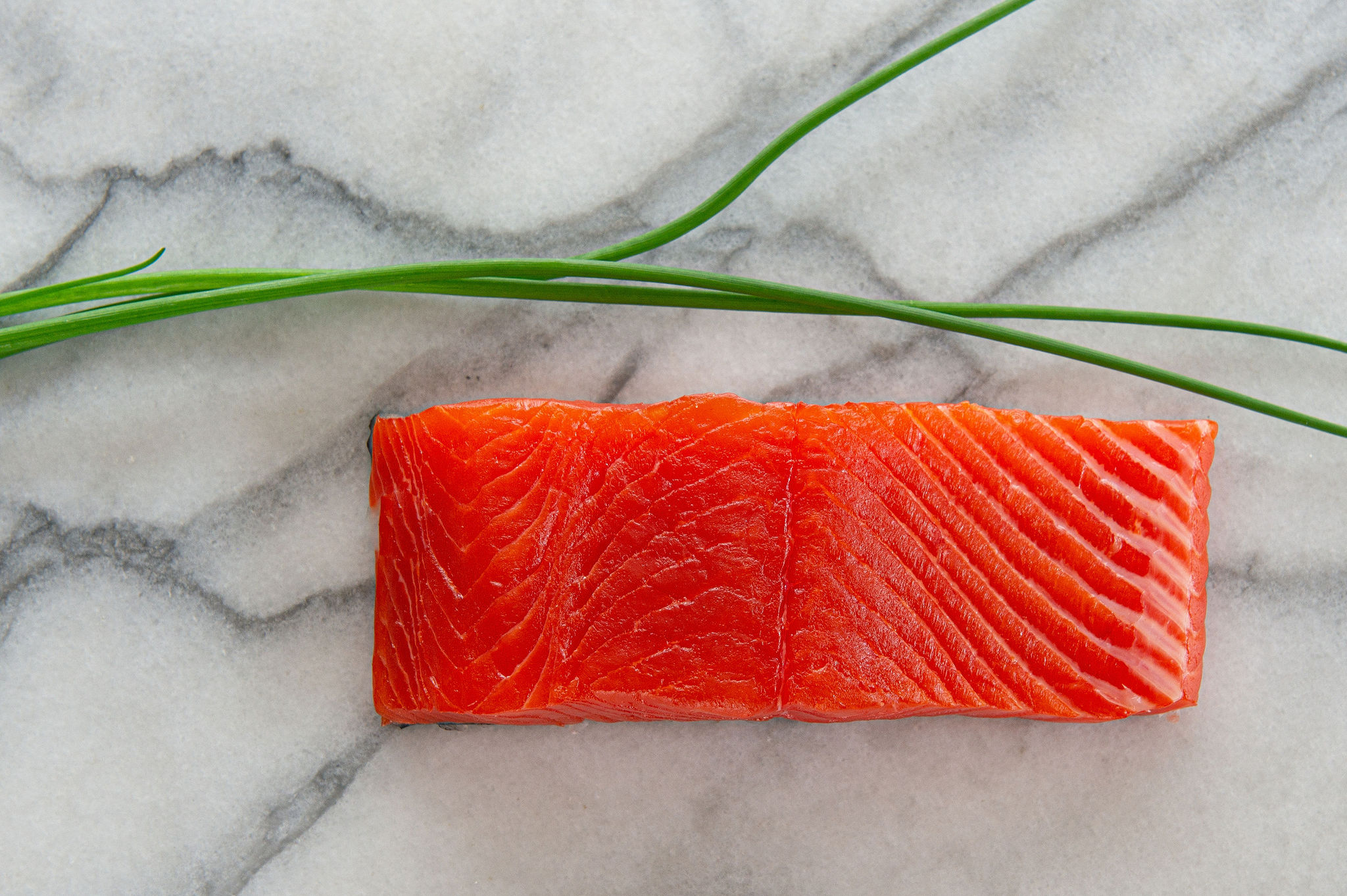
That rich red-orange hue is earned naturally through diet, environment, and biology; it isn’t added, dyed, or enhanced. Below is a high‑level look at what gives CR/PWS salmon that stunning color everyone always asks about, and what that color represents nutritionally.
The Role of Astaxanthin
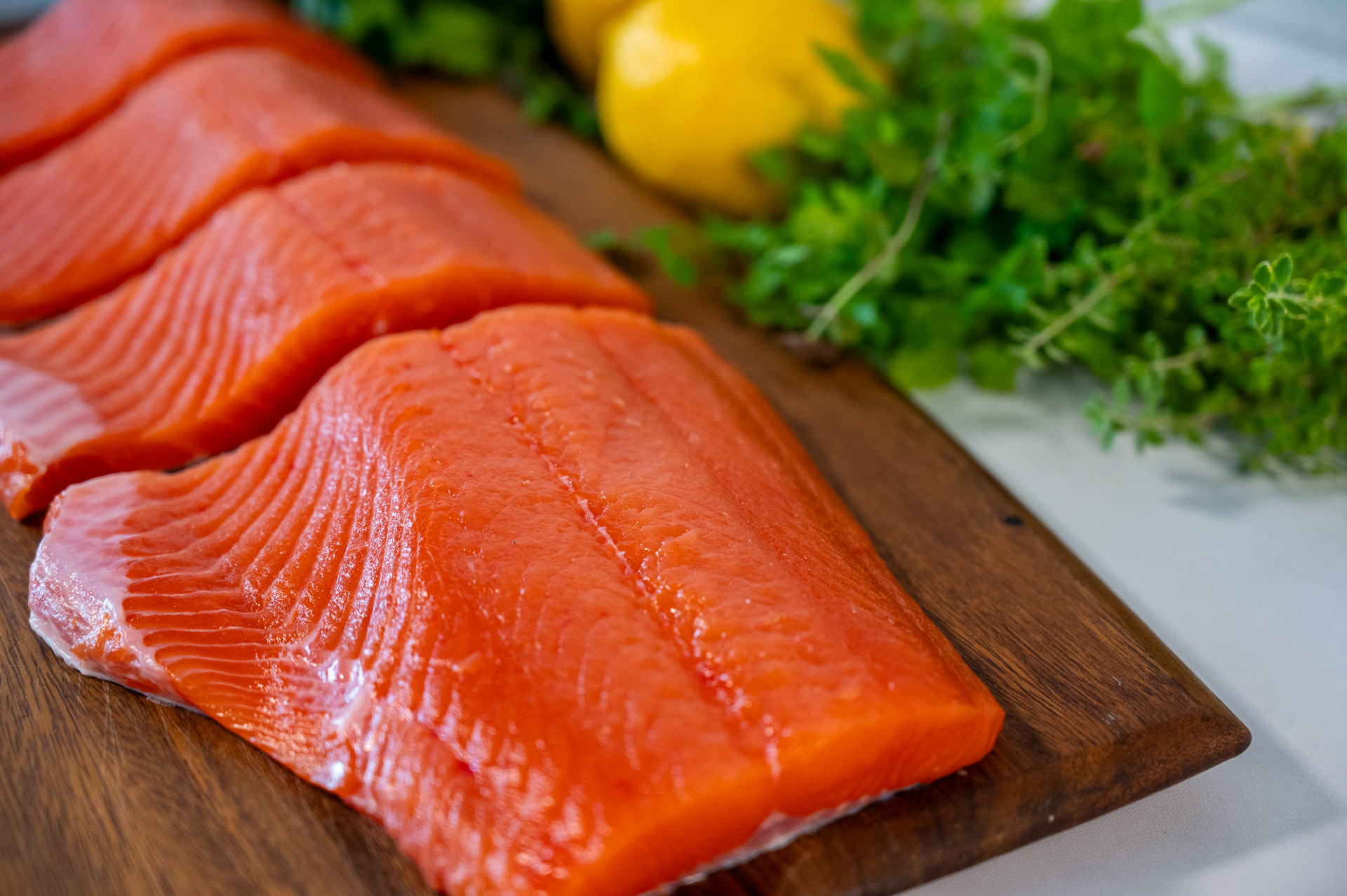
At the heart of salmon’s color is astaxanthin, a naturally occurring carotenoid pigment found in the marine food web. Astaxanthin is responsible for the pink, red, and orange tones in wild salmon — and it’s also a powerful antioxidant.
Salmon don’t produce astaxanthin themselves. Instead, they accumulate it through their diet, primarily by eating:
- Krill and plankton
- Shrimp and small crustaceans
- Smaller forage fish that have already consumed astaxanthin-rich organisms
The more astaxanthin-rich prey a salmon consumes over its lifetime, the deeper its natural color. Nutritionally, astaxanthin is linked to:
- Antioxidant activity
- Support for muscle endurance and recovery
- Anti-inflammatory properties
In wild salmon, astaxanthin is bound within the muscle tissue — contributing not just to color, but also to overall nutritional density.
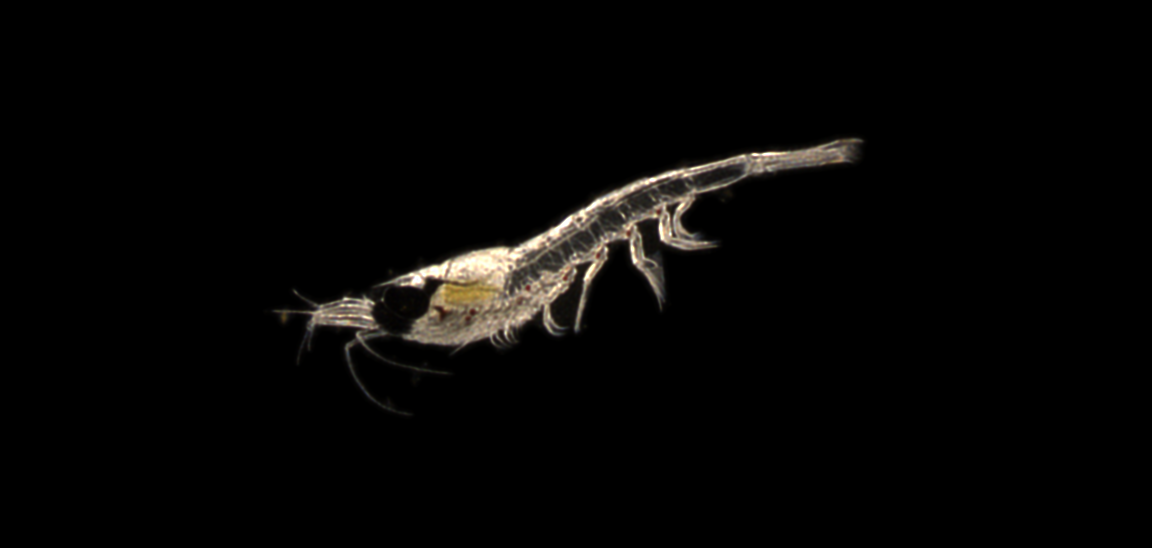 Photo Credit: Krill of the Prince William Soundcourtesy of The Prince William Sound Science Center, Rob Campbell
Why CR/PWS Salmon Are Especially Colorful
Salmon from Copper River and Prince William Sound are known for intense color because they:
- Travel long distances in cold, nutrient-rich waters
- Feed in productive marine ecosystems
- Build significant fat and nutrient reserves for challenging freshwater migrations
These fish are conditioned by environment and effort. Color is often a visible marker of that life history.
Color by Species
Sockeye Salmon (Red Salmon)
Sockeye are the most vividly colored of all Pacific salmon.
Why:
- Diet is heavily focused on zooplankton and krill, which are exceptionally high in astaxanthin
- Spend much of their marine life feeding lower on the food chain, where pigments are most concentrated
What the color represents:
- Extremely high astaxanthin levels
- Lean muscle with dense nutritional value
- Bold flavor and firm texture
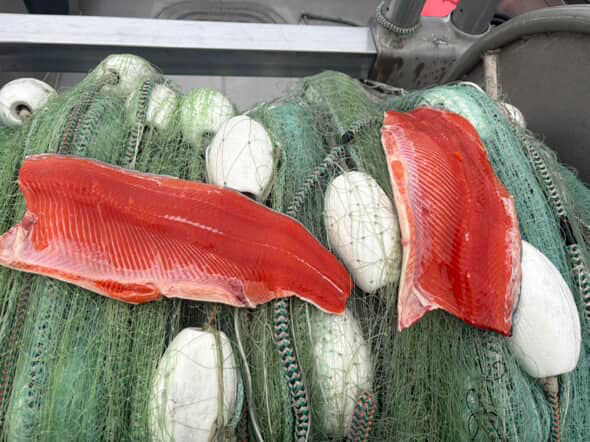
Sockeye’s deep red flesh is often considered the benchmark for wild salmon color.
King Salmon (Chinook)
King salmon display a range of color from lighter peach to deep red-orange.
Why:
- More varied diet that includes forage fish (herring, sand lance) in addition to crustaceans
- Higher fat content dilutes pigment visually, even when astaxanthin levels are significant
What the color represents:
- High omega‑3 content
- Rich mouthfeel and buttery texture
- Balanced nutrition with substantial energy reserves
In Kings, color works alongside fat content to define quality — not in opposition to it.
Coho Salmon (Silver Salmon)
Coho salmon typically have a bright, medium orange flesh.
Why:
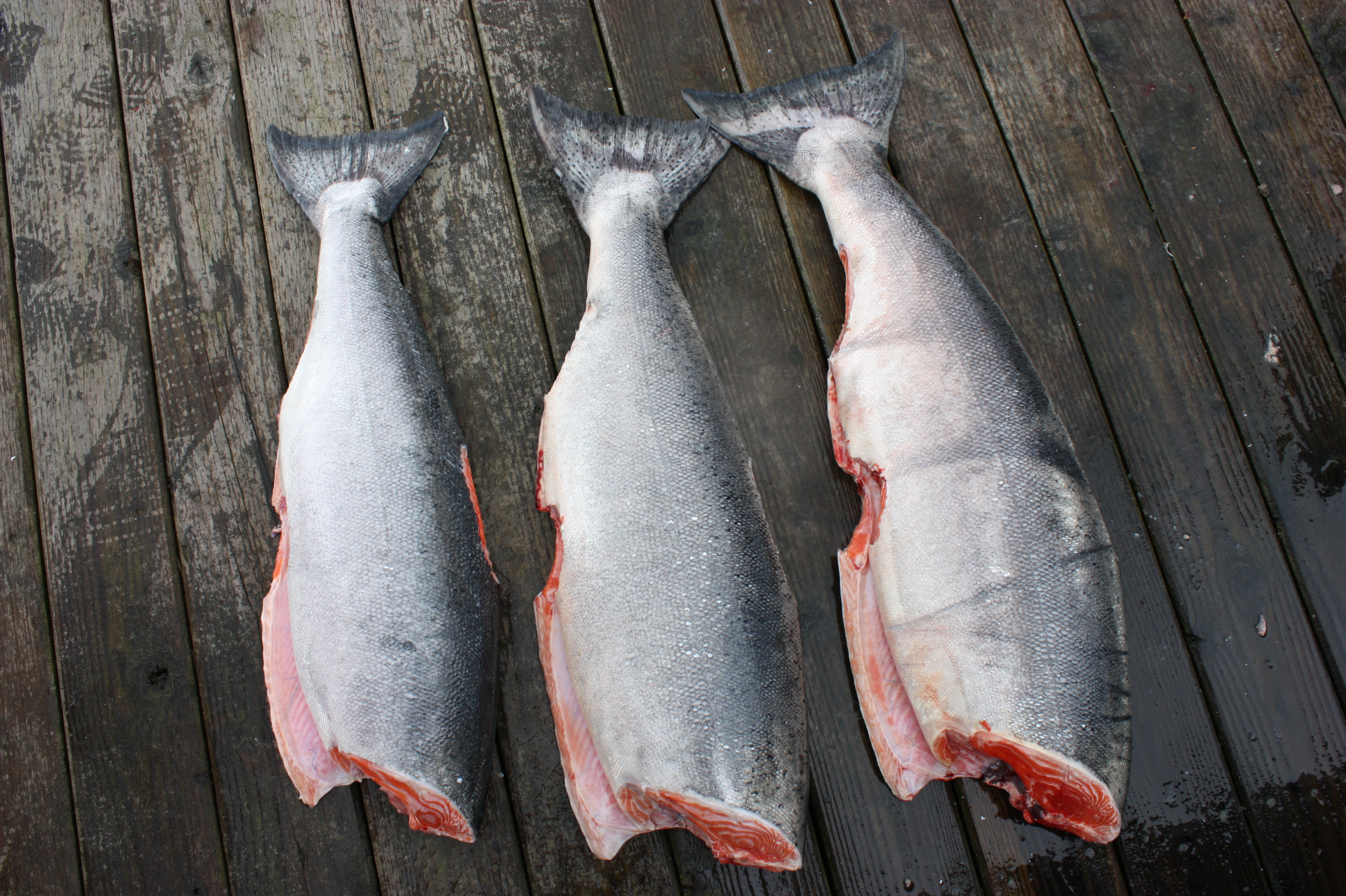
- Mixed diet of crustaceans and small fish
- Moderate astaxanthin accumulation
What the color represents:
- Clean flavor profile
- Firm yet tender texture
- Well-rounded nutritional composition
Coho offer a balance of color, flavor, and versatility.
Color as a Signal — Not a Guarantee
While color is a meaningful indicator, it’s not the only measure of quality.
Factors such as:
Harvest timing
Handling practices
Species-specific biology
These factors all play a role in the final eating experience. That said, in wild CR/PWS salmon, color is a reliable signal of diet, environment, and effort — not artificial enhancement.
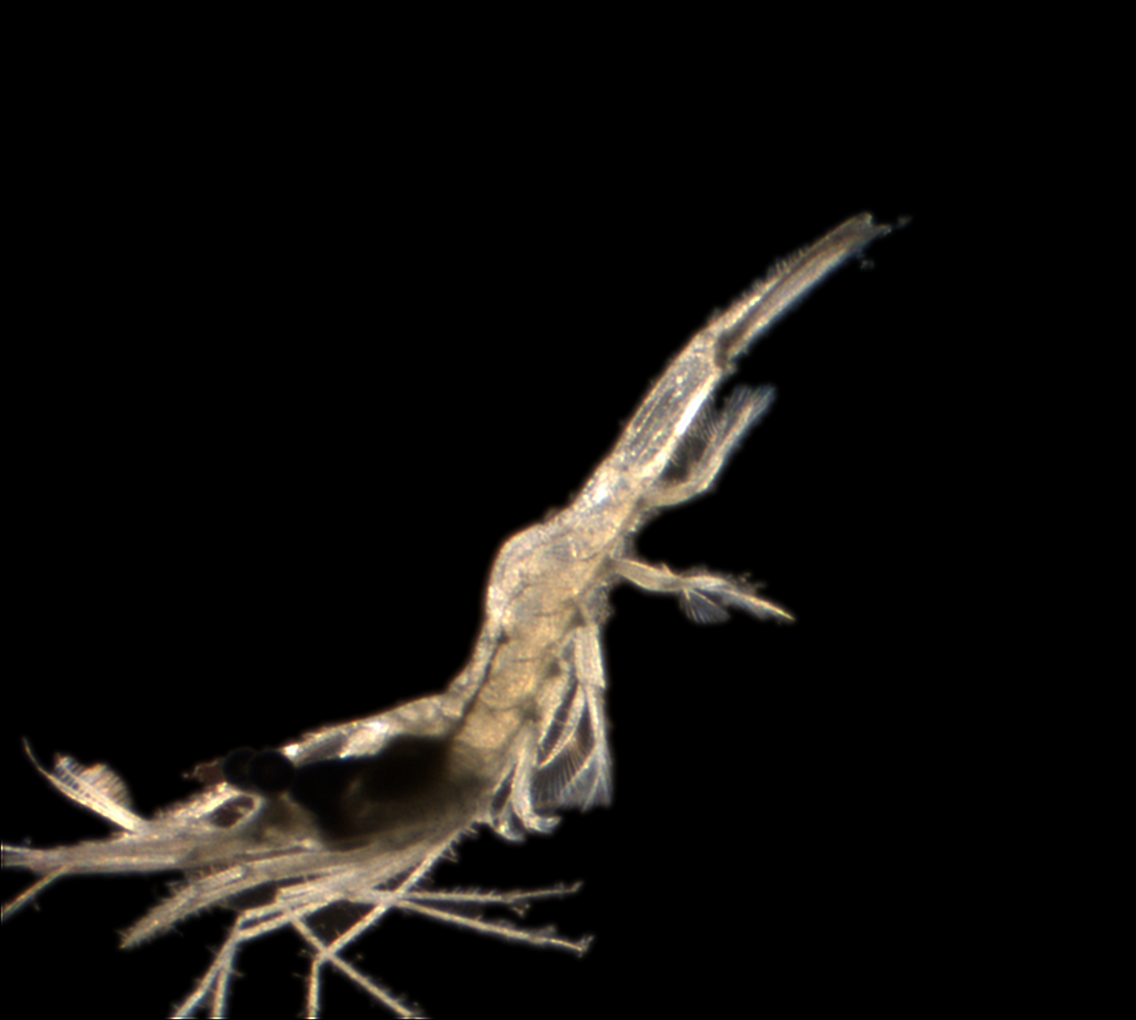 Photo Credit: Krill of the Prince William Soundcourtesy of The Prince William Sound Science Center, Rob Campbell
Wild Color, Naturally Earned
Every shade of CR/PWS salmon reflects a life spent feeding in cold, productive waters and migrating through powerful rivers. From krill-rich diets to long-distance swims, their color tells a story of origin, nutrition, and resilience. Whether enjoyed fresh, frozen, smoked, or canned, the vibrant color of Copper River and Prince William Sound salmon is a visible reminder of what makes these fish exceptional — naturally.
‹ Back
Recent Posts
-
-
-
Roasted Green Goddess Salmon
July 15, 2025
-
-

Bang Bang Salmon Bowls
February 10, 2025